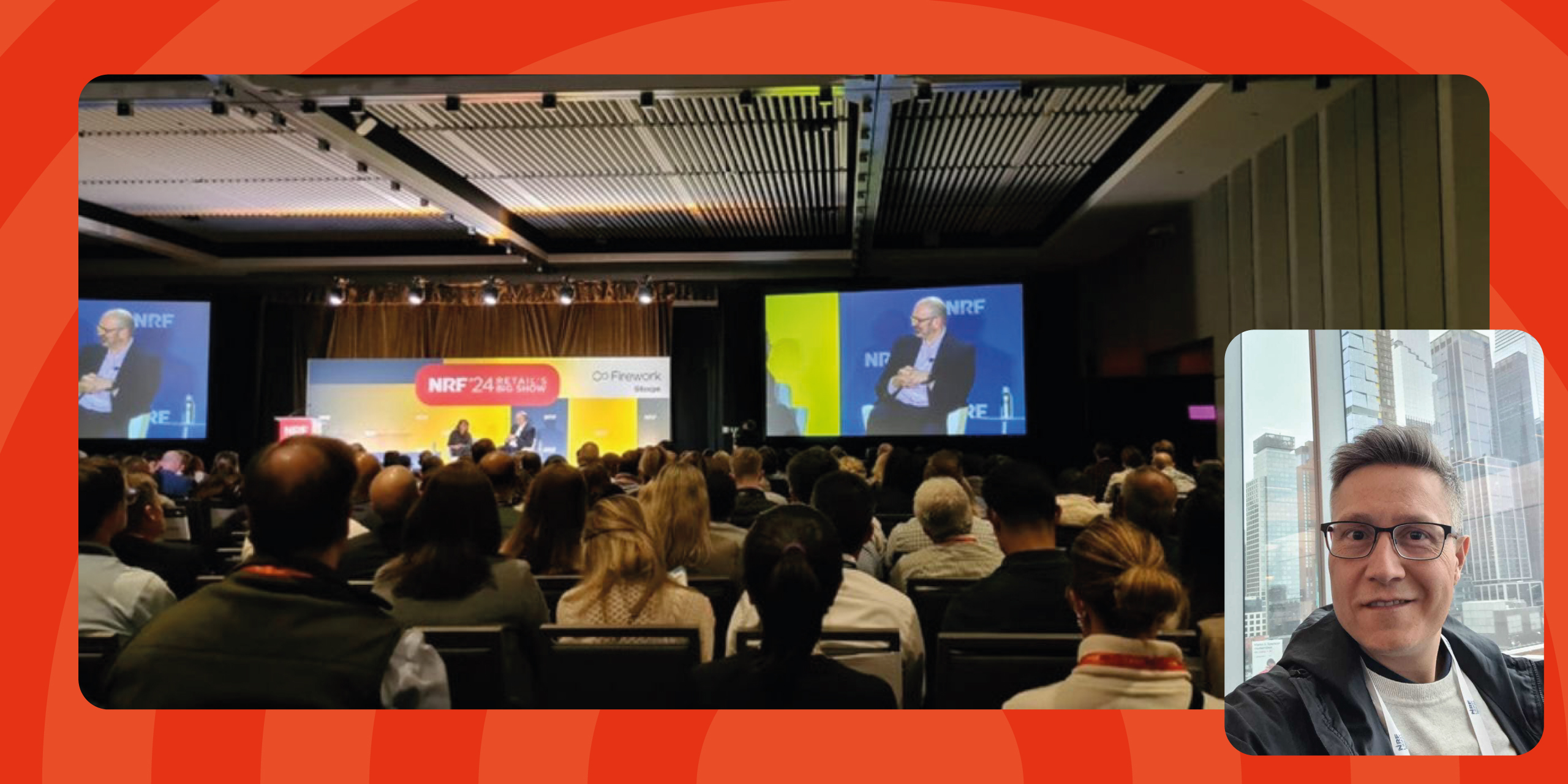


Between March 3 and 6, 2025, the city of Las Vegas, in the United States, hosted HIMSS Global Health Conference & Exhibition 2025, the world's largest event dedicated to technology and innovation in the health sector. Bringing together more than 30,000 participants from around the world—including global leaders, health professionals, technology companies, and public policymakers—the event provided a comprehensive vision of the future of digital health.
In this edition, HIMSS 2025 highlighted the most relevant trends that are shaping the health sector, such as artificial intelligence (AI), digital transformation, cybersecurity, interoperability, and the crucial role of the workforce in connected health. In addition, practical solutions were presented to the challenges faced by health institutions in an increasingly digitalized and patient-centered scenario.
Below, we explore the highlights of the event and how it is impacting the future of the health sector.
What is HIMSS?
O HIMSS (Healthcare Information and Management Systems Society) is a global non-profit organization that promotes technological innovation in the health sector. Its annual conference is recognized as one of the world's most influential events in the segment, bringing together experts to discuss emerging trends, present new technologies, and share good practices.
HIMSS 2025 was no different. With an extensive schedule of lectures, exhibitions, and interactive workshops, the event provided a platform for exchanging knowledge and building strategic partnerships.
Key highlights of HIMSS 2025
HIMSS 2025 addressed essential topics for the transformation of the health sector, focusing on how technology can improve the patient experience, optimize internal processes, and ensure greater data security.
Among the main topics discussed at the event are:
1. Artificial Intelligence (AI) in Health
Artificial intelligence was one of the central pillars of HIMSS 2025. Renowned institutions and global companies presented practical cases of how AI is being used to transform the health sector.
Practical applications of AI
- Automation of clinical flows: AI is being used to automate administrative and operational tasks in hospitals, freeing up time for professionals to focus on patient care;
- More accurate diagnoses: AI-based tools are helping doctors identify diseases more quickly and accurately. An example presented was the use of AI to detect cancer at early stages through imaging tests;
- Reduction of clinical burnout: chatbots integrated with EHR (Electronic Health Records) systems were presented as solutions to alleviate the administrative burden of health professionals.
Innovation with Generative AI
Generative AI was also highlighted at the event. Companies like AWS demonstrated how this technology can be used to create automated medical reports, answer frequently asked patient questions, and even provide emotional support through advanced chatbots.
2. Digital transformation in the health sector
Digital transformation was another central theme at HIMSS 2025. With the pandemic accelerating the adoption of digital technologies, institutions are now focused on creating integrated patient journeys that combine in-person and virtual services.
Hybrid service models
Hybrid models — which combine in-person appointments with telemedicine — have been widely discussed as an efficient solution to improve access to medical care. In addition:
- Digital platforms: tools that centralize patient information help create personalized experiences;
- Patient engagement: technologies that use gamification and personalized notifications are being used to encourage patients to follow their treatments.
Measuring digital results
Institutions such as UPMC shared strategies on how to measure digital outcomes in clinical and financial terms, highlighting the importance of integrating digital metrics into strategic planning.
3. Cybersecurity in health
With the increase in cyber threats in the health sector - including ransomware attacks aimed at hospitals - cybersecurity was treated as a strategic priority in HIMSS 2025.
Advanced solutions
The Cybersecurity Command Center was one of the most visited spaces at the event, presenting innovative solutions to protect sensitive patient data. Among the technologies highlighted were:
- Zero Trust Architecture;
- Advanced tools for proactive threat detection;
- Updated protocols for regulatory compliance.
NSA Lecture
General Paul Nakasone, director of the National Security Agency (NSA), highlighted effective strategies to address emerging digital challenges in the health sector, stressing the need for collaboration between governments and private companies.
4. Interoperability: connecting systems
Interoperability remains a critical challenge in the digital transformation of the healthcare sector. At HIMSS 2025, significant advances were presented in standards based on FHIR (Fast Healthcare Interoperability Resources), which allow efficient data exchange between different systems.
Interop+Smart Experience Pavilion
This interactive space was dedicated to the practical demonstration of solutions that promote connectivity between different technological platforms. Interoperability not only improves the operational efficiency of institutions, but also facilitates faster and more accurate diagnoses by consolidating clinical information in real time.
5. Workforce Development
Another important topic addressed was the role of the workforce in digital transformation. With the growing adoption of advanced technologies, there is an urgent need to empower professionals to deal with these changes.
Technological training
Interactive workshops showed how to train medical teams to use digital tools effectively. In addition:
- Strategies based on virtual reality (VR) were presented as innovative forms of training;
- Educational programs focused on digital skills were highlighted as essential to prepare future industry leaders.
Immersive experiences at HIMSS 2025
In addition to the lectures and educational sessions, HIMSS 2025 offered immersive experiences in specialized pavilions.
- AI Pavilion: space dedicated to innovations in artificial intelligence;
- Cybersecurity Command Center: practical solutions for protection against digital threats;
- Interop+Smart Experience Pavilion: focus on interoperability between technological systems.
These pavilions allowed participants to experience the latest technologies through practical demonstrations.
The legacy of HIMSS 2025 for the future of the health sector
HIMSS 2025 reaffirmed its position as a global catalyst for innovation in the health sector. By bringing together global leaders and promoting discussions about the sector's most pressing challenges, the event highlighted how emerging technologies can improve clinical outcomes, optimize internal processes, and provide exceptional patient experiences. The trends presented during the event - including artificial intelligence, digital transformation, cybersecurity, and interoperability - are shaping a future where health will be increasingly connected, accessible, and patient-centered.
Plusoft at HIMSS 2025: innovation and results for the health sector
Plusoft's presence at HIMSS 2025 reinforced our commitment to digital transformation in health. During the event, we explored trends such as generative AI, cybersecurity, and interoperability, aligning these innovations with our solutions to improve the patient experience and optimize processes in institutions. Through our CRM platforms, automation, and omnichannel solutions, we offer integrated journeys that combine face-to-face and digital care, ensuring greater operational efficiency and personalization in patient care.
Additionally, our technologies facilitate interoperability between legacy and modern systems, improving data security and clinical decision-making. By connecting technological innovation to the real needs of health institutions, Plusoft positions itself as a strategic partner for organizations that seek concrete results.
To learn more about how we can transform your institution with personalized and effective solutions, contact our experts.