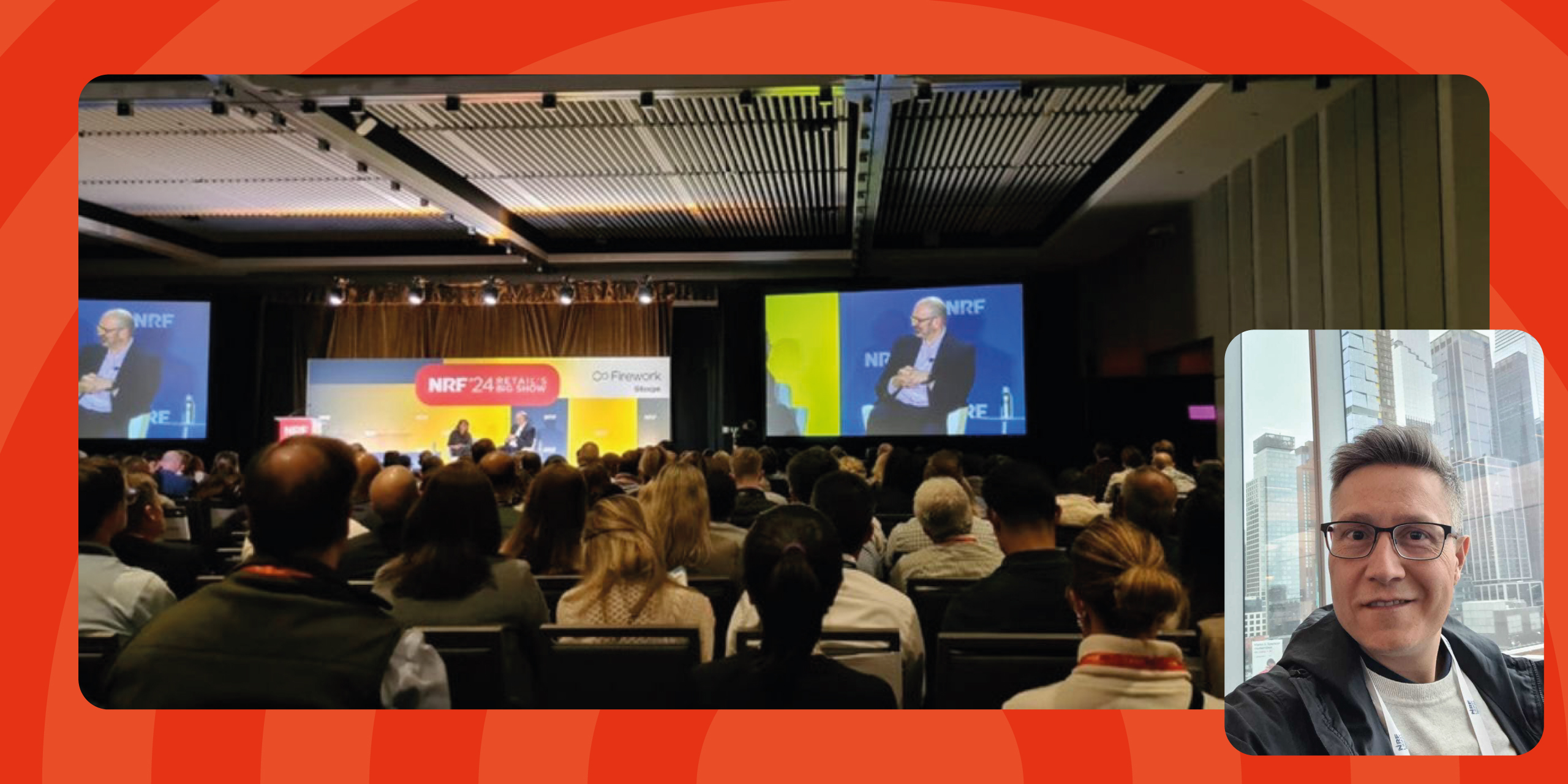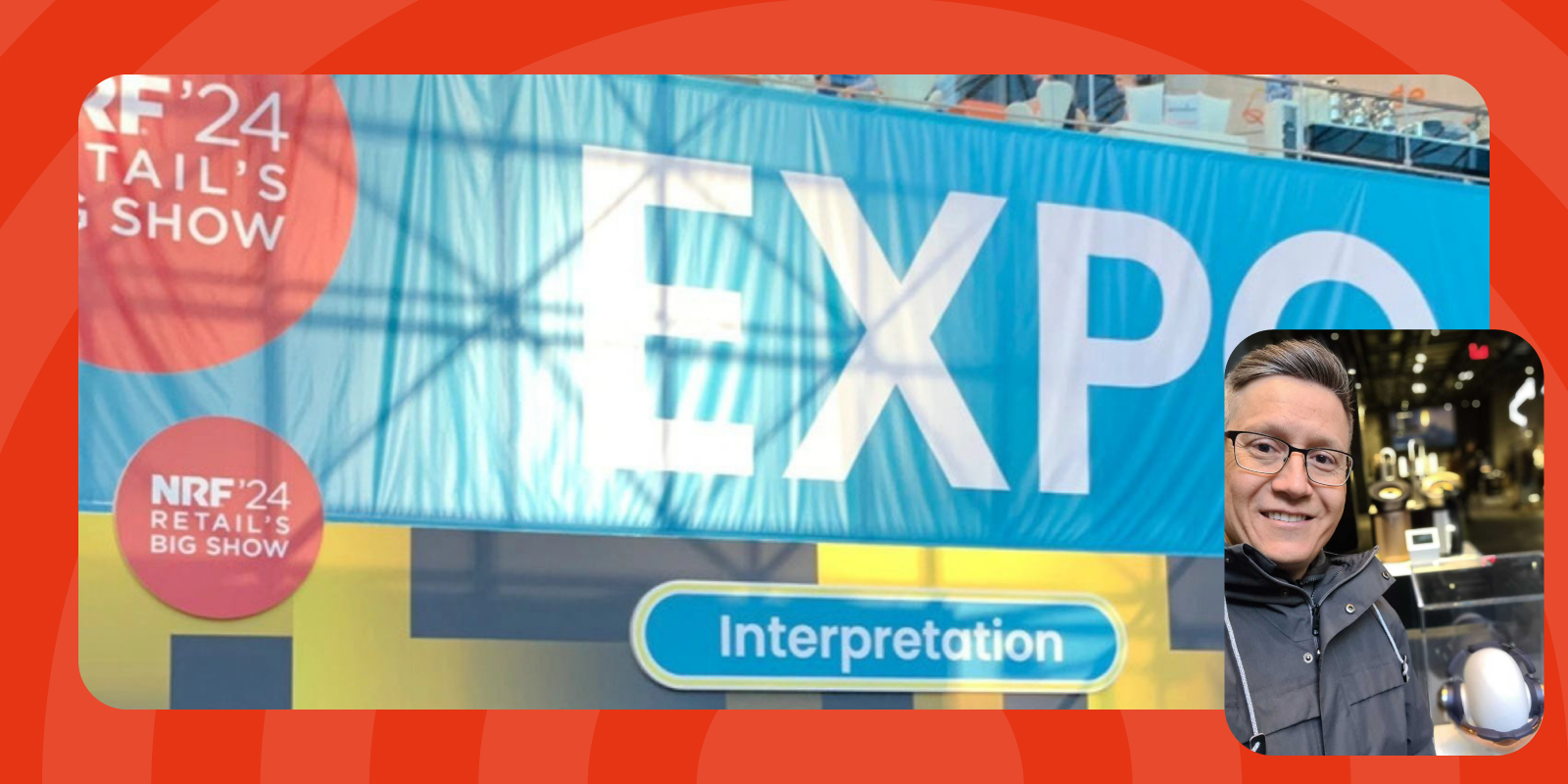


Held between January 12 and 14 in New York, USA, the NRF Retail's Big Show 2025 was expected as a milestone for the global retail sector. With the theme “Game Changer” for this edition, the event promised to explore technological innovations, consumer-centered strategies and sustainable practices.
Expectations were high: more than 40,000 participants from more than 100 countries came together to discuss the future of retail, with emphasis on topics such as artificial intelligence (AI), omnichannel integration and sustainability.
Retail trends in 2025
Before we dive into the details of each day, it's important to highlight the key retail trends presented at NRF 2025, which promise to shape the sector in the year:
- Artificial Intelligence and Automation: AI was the protagonist of the event, standing out in solutions such as digital twins, virtual assistants and personalization at scale;
- Omnichannel and Hybrid Connection: the integration between the physical and the digital has become established as an essential strategy for creating fluid and personalized experiences;
- Sustainability and Circularity: the focus on regenerative products, circularity practices, and sustainable solutions was widely discussed;
- Immersive Experiences: physical stores have gained prominence as hubs of cultural and emotional experiences that connect generations and promote loyalty;
- Payments and Cashless Technology: solutions such as approach payments and digital wallets highlighted convenience as a competitive differential.
Day 1: Innovation, Culture, and Transformation
The first day of NRF 2025 highlighted the role of organizational culture and innovation as drivers of transformation in retail. Here are the five key moments:
- Generative AI and Digital Twins: companies such as Amazon and Walmart presented use cases of digital twins to simulate operations and predict risks, while generative AI was highlighted for its ability to create personalized experiences at scale;
- Omnichannel and Integrated Experience: Starbucks and Foot Locker showed how integrating physical and digital channels can create a fluid experience for consumers, with technologies such as “click and collect” and live streaming gaining attention;
- Organizational Culture: Brian Cornell (Target) and Michael Bush (Great Place to Work) reinforced the importance of a strong culture to create emotional connections with consumers and employees, promoting sustainable growth;
- Technological Innovation: solutions such as intelligent supply chains and autonomous robots were presented as ways to reduce costs and improve efficiency;
- Redefinition of Physical Stores: Tony Spring (Macy's) presented a vision of transforming stores into cultural and experience hubs, while Mary Dillon (Foot Locker) highlighted the modernization of two-thirds of the brand's stores.
Day 2: Personalization, Sustainability, and Purpose
The second day expanded on the themes raised on the first, focusing on advanced personalization, sustainability, and brand authenticity. Check out the highlights:
- New Era of Personalization: Ulta Beauty and Adobe discussed how to offer hyper-relevant experiences across channels, going beyond basic recommendations to create emotional connections with consumers;
- Sustainability in Focus: brands like IKEA highlighted regenerative practices and durable products, aligned with the demands for climate health. Circularity was identified as essential for the future of retail;
- Authenticity of the Brands: Tommy Hilfiger emphasized the importance of clear purpose and authenticity to attract conscious consumers;
- Innovation in Physical Stores: LEGO and IKEA showed how to transform stores into experience centers that integrate digital and physical elements to engage customers;
- Emerging Technologies: tools such as 3D body scanning and platforms that use AI to transform the customer journey have been widely discussed.
Day 3: Human Connection in the Digital Age
The third day brought a series of perspectives on the balance between technological advances and human experiences. Here are the highlights:
- AI Applied to Retail: speakers emphasized that it is not enough to adopt AI; it is essential to implement it with a focus on tangible results, such as practical personalization and operational optimization;
- Immersive Experience in Physical Stores: Dylan Lauren (Dylan's Candy Bar) emphasized that stores should be emotional destinations, connecting generations through memorable experiences;
- Innovative Payments: cashless solutions (without physical money) have grown in relevance, with mobile and approximated payments leading the trends;
- Advanced Sustainability: the integration of sustainable practices with circular strategies was reinforced as an essential competitive differential;
- Strategic Partnerships: the role of collaborations between brands was highlighted as a key to continuous innovation in the retail sector.
A look at the future of retail
NRF 2025 was established as a transformative event, highlighting, above all, three essential pillars:
- Advanced Technology: especially artificial intelligence, which permeated all discussions;
- Consumer Focus: personalization, immersive and omnichannel experiences at the center of the strategies;
- Sustainability and Purpose: reflecting the growing demands for responsible practices.
The great learning this year is that the future of retail will be shaped by the ability to combine technological innovations with meaningful human connections. Companies that balance creativity, efficiency and social responsibility will be in a leading position in a dynamic and competitive market.
Thus, NRF 2025 not only presented solutions, but inspired brands to think of retail as an engine of social and economic transformation, where the consumer is not just a customer, but a partner in this evolution.
The future is being written now, and it is promising.