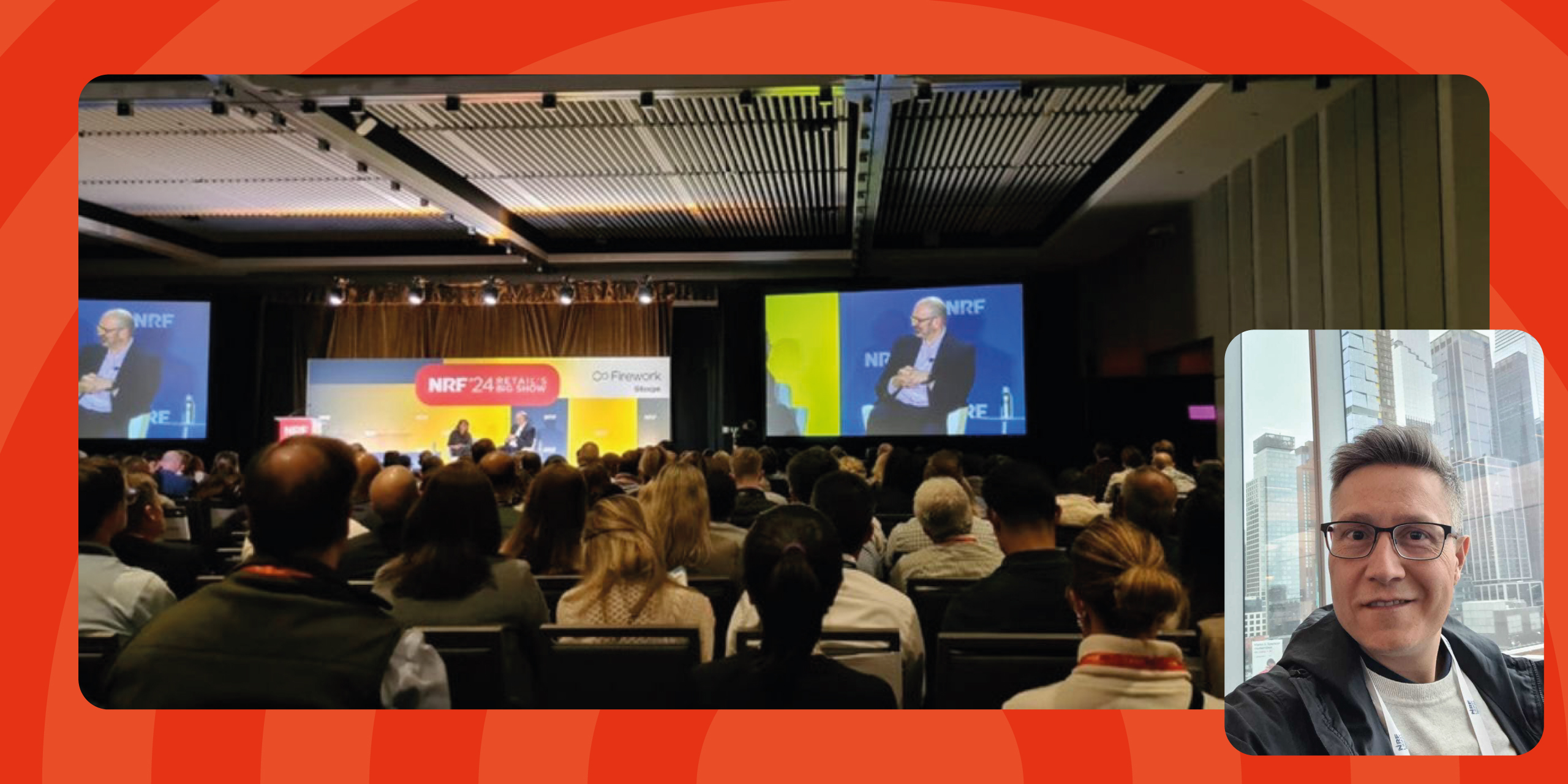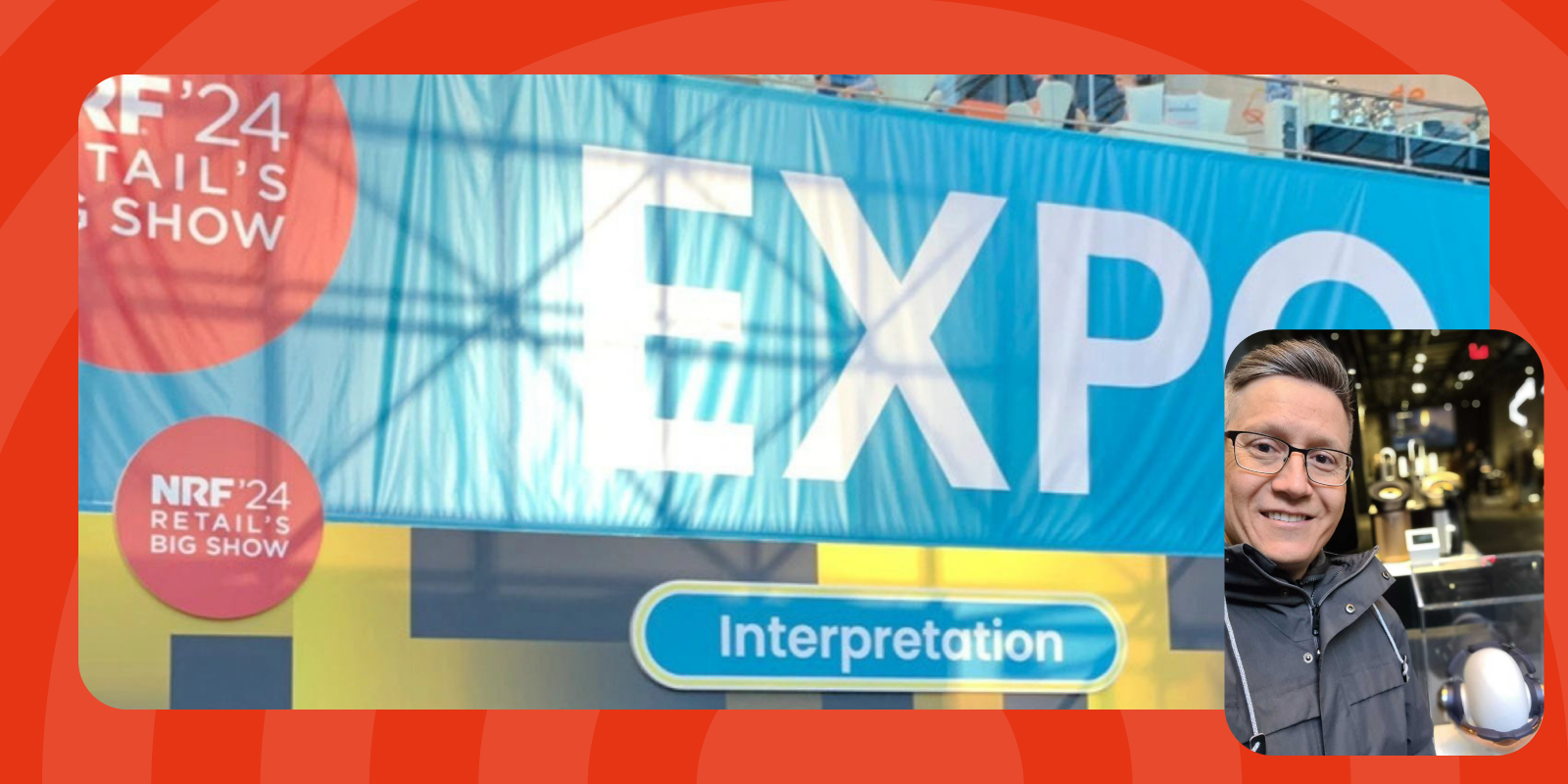


A NRF 2025: Retail's Big Show, held in New York, brought a transformative vision about the future of retail. With the presence of global leaders and cutting-edge technological innovations, the event highlighted trends that are reshaping the sector. Artificial Intelligence (AI), sustainability and personalization were the main pillars, pointing to a more connected, efficient and consumer-centered market.
The era of Artificial Intelligence in retail
AI as the protagonist
Artificial intelligence has emerged as the driving force of modern retail. Data presented at the event reveals that 76% of companies already recognize its transformative impact. Notable examples include:
- Advanced Chatbots: the use of virtual assistants grew 42% in the last holidays of the year, optimizing customer service;
- Generative AI: tools like those on Amazon are rewriting ads in real time, increasing conversion rates;
- Digital Twins: companies like Lowe's use virtual models to simulate store layouts and improve customer experience;
- Multimodal AI: combining text, images, and voice, this technology is revolutionizing business decision-making.
Personalization and customer experience
The hyperpersonalization provided by artificial intelligence is redefining the relationship between brands and consumers, increasing the likelihood of conversion by up to 40%. By using data to understand and anticipate customer needs, companies are able to offer unique and personalized experiences that generate not only sales, but also long-term loyalty.
A practical example is Sam's Club's Scan & Go app, which simplifies the purchase process by allowing consumers to scan and pay for their items directly on their smartphone. This technology not only makes the experience more agile, but it also strengthens the perception of convenience and exclusivity, crucial elements for retaining consumers in an increasingly competitive market.
As brands continue to explore the potential of AI, personalization will be the primary driver for transforming shopping experiences and creating deeper emotional connections with their audiences.
The transformation of the consumer
New profiles and demands
Today's consumer is hyperconnected and demanding, seeking brands that deliver authenticity and personalized experiences. Some of the highlights in this line include:
- Emotional connection: brands like AG1 are conquering generations Z and Alpha through authenticity;
- “Phygital” strategies (physical store + digital): the integration between the physical and digital worlds is at the heart of omnichannel strategies.
Sustainability as a priority
With 62% of Brazilians changing consumption habits for environmental reasons, sustainability ceased to be a trend and became a requirement. Circular models and ESG practices are shaping the future of retail.
Disruptive trends in retail
Marketplaces and Social Commerce
Marketplaces are redefining digital commerce, growing 35% faster than traditional e-commerce. Additionally, platforms like TikTok are consolidating social commerce as a vital force in retail, completely changing the way consumers discover, interact, and buy products. This trend is transforming the buying journey into a more integrated and social experience.
Innovations in food retail
- Cashierless stores, which once seemed futuristic, are rapidly becoming the standard in urban areas, offering a streamlined and convenient shopping experience;
- The growing search for convenience and local products is redefining the strategies of retailers, who now prioritize quality and proximity;
- The reduction of waste, whether through more sustainable packaging or through partnerships with local suppliers, has become not only an environmental need, but a determining factor for relevance and survival in the market.
Pet market on the rise
Personalization arrived with everything in the pet segment, transforming the relationship between brands, owners and their animals. Interactive initiatives, such as the creation of tailor-made products and exclusive services, are offering unique experiences, elevating care and emotional connection in this constantly growing market.
Luxury with purpose
In the luxury segment, brands like Burberry are leading the way in showing that it is possible to balance tradition and innovation. Authentic and sustainable strategies are now crucial to conquer and engage modern consumers, who demand more than just products — they want shared values.
Balance between technology and humanity
Companies like Starbucks and Target are demonstrating that technological innovation cannot exist in isolation: it must be linked to a solid organizational culture. Humanization is what guarantees the success of technological solutions, creating significant connections with consumers and collaborators, while promoting a more collaborative environment aligned with human values.
The future of retail
NRF 2025 has established itself as a watershed in the evolution of global retail, reaffirming the importance of a strategic approach that combines advanced technology with a clear purpose and solid values. Brands that know how to balance technological innovation with empathy and relevance will have a significant advantage in an increasingly competitive and dynamic market.
The combination of innovation, sustainability and personalization is not just a fleeting trend, but the foundation of a sector that is being redesigned to meet the expectations of more conscious and demanding consumers. The customer experience, now more than ever, will be defined by solutions that integrate digital efficiency with an authentic human touch.
Are you interested in the subject? Keep following with us the consequences of the largest global retail event!