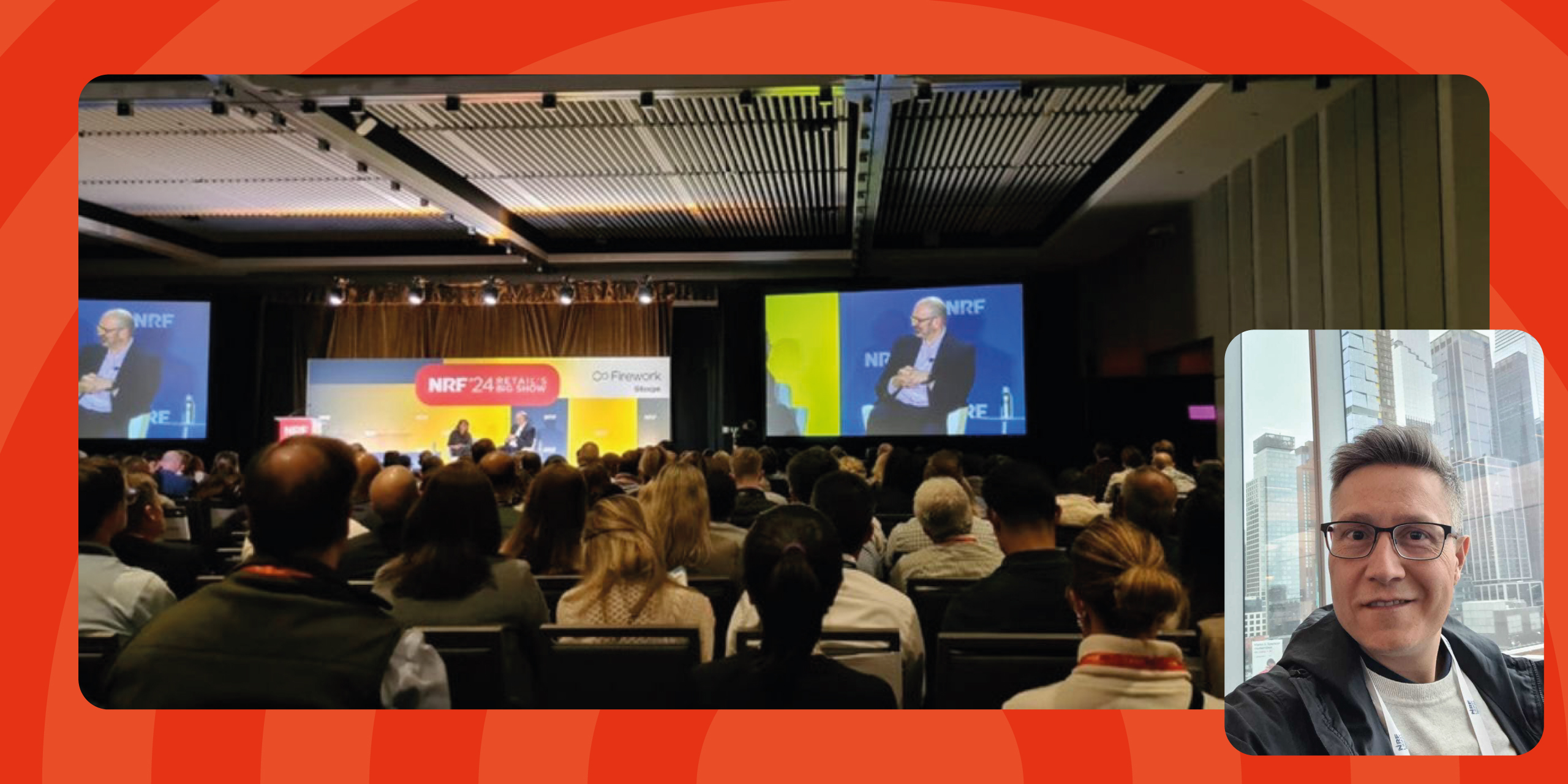


On the second day of NRF 2024, the agenda combined research institutes, such as Forrester Research and KPMG, with retailers that already apply Artificial Intelligence in production. The sessions brought consistent standards: AI connected to its own data, focus on loyalty, supply chain optimization, and internal training to scale analytical capacity.
Next, I organized the main lessons learned by case, with practical implications for marketing, CRM, e-commerce, and operations teams.
Case 1: Lowe's + KPMG — data as a basis for segmentation and growth
During the KPMG session, it was highlighted that Lowe's is the second largest global home center and building materials company, behind The Home Depot. The relevant point was not the size, but rather how the company uses data to guide decisions and offer design.
Key learnings from the case
- E-commerce adoption remains strong in grocery stores and home centers, even after the pandemic.
- Generation Z already has an impact on revenue and changes navigation, decision, and channel patterns.
- Customers spend more when using multiple channels, which reinforces integrated working day management.
- Convenience remains a central motivator for online purchase.
- The leadership reinforced an operational thesis: data scientists distributed by the company help to sustain the pace of continuous improvement.
B2C and B2B segmentation as an architectural decision
One point mentioned was the distinction between Physical Person and Professionals, with a specific loyalty program for professionals that accelerates approval of larger purchases.
Practical implications for CRM and end-to-end relationships:
- For individuals, performance depends on identifying signs of a life cycle (e.g., “construction moment”), using history, navigation, and context to guide communication and recommendation.
- For professionals, the program needs to support the growth of the client's business, with benefits related to recurrence, conditions, and operational agility.
Case 2: Sainsbury's + NCR — AI for customer experience and operational efficiency
Sainsbury's presented AI initiatives aimed at gaining combined experience and operation. What drew attention was the breadth of use, leaving “campaigns” and moving to the value chain.
Where AI enters retail, according to the case
- Customizing products and prices from the loyalty program (Nectar).
- Demand forecasting in the supply chain, reducing ruptures and excesses.
- Training business teams in Data Analytics and modeling, for everyday use and decision-making.
- Tracking data in the value chain to identify losses in real time, focusing on faster reaction.
- Gamification in the app to sustain engagement and recurrence in the loyalty program.
Practical implication: AI initiatives gain traction when loyalty data ceases to be a “report” and becomes an input for product, operation, and profitability.
Case 3: Forrester Research + Abercrombie & Fitch, Sephora and The Vitamin Shoppe — loyalty that builds fans
Here, different businesses appeared in category and positioning, with a common pattern: consistent relationship and collection of behavioral signals to personalize approach. The practical result is an increased level of affinity, with consumers acting as brand advocates.
Elements that support maturity in AI and data
- Loyalty programs treated as a product (and not as a campaign).
- Collection of browsing and behavior data, in addition to content, gamification and continuous searches by category.
- Adoption of influence and interaction formats, with the presence of conversational and live commerce as conversion and retention routes.
Practical implication: When loyalty becomes an ecosystem, AI becomes an engine for prioritizing messages, offers, frequencies, and channels, controlling commercial pressure and focusing on retention.
What do these cases have in common (and how to apply)
1) Own data as an input for competitive advantage
Loyalty programs and digital behavior appear as the most actionable sources for personalization, forecasting, and optimization. This requires governance and integration between CRM, e-commerce, media, and service.
2) AI distributed in the operation, in addition to marketing
Examples involved supply chain, losses, pricing, experience, and internal capacity building. The gain does not depend on an “isolated project”, but on routines and systems that incorporate models into the daily flow.
3) Value and context-oriented segmentation
Separating audiences with different needs and journeys avoids generic communications and improves conversion. In construction retail, this appeared in the difference between individuals and professionals, with value propositions and benefits appropriate to each profile.
Implementation checklist for retailers (short and operational)
- Map events and journey signs that indicate intent (e.g., category visit, repeat search, cart, recurring purchase).
- Consolidate a single customer view connecting loyalty, navigation, purchase, and service.
- Define personalization rules by category: recommendation, price/promo, content, channel, and frequency.
- Implement demand forecasting and disruption with a clear review cycle (inputs, managers, decision window).
- Create training trails for business teams in data reading and decision-making.
- Instrument metrics that differentiate short-term growth and baseline health (retention, recurrence, LTV, churn, NPS/CSAT by segment).
NRF 2024: How to scale AI in retail with proprietary data, processes, and operational governance
NRF 2024 reinforced that Artificial Intelligence in retail is already being used as a decision-making and execution infrastructure: personalizing, predicting, reducing losses, organizing loyalty and accelerating efficiency. The companies that scale the fastest are those that connect AI to their own data, processes, and teams trained to operate with discipline.