
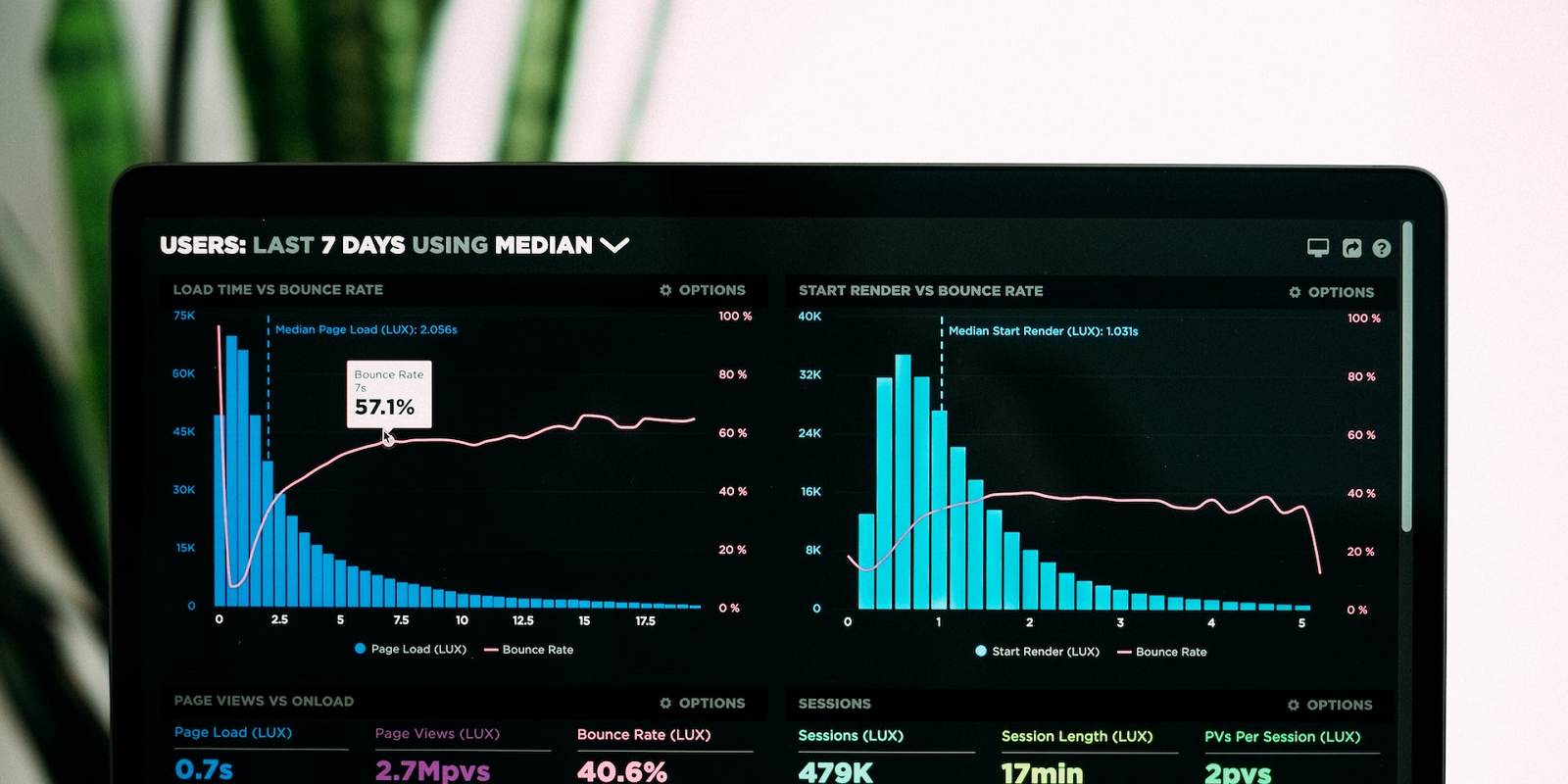


The training and development (T&D) area influences productivity, quality, retention, and business execution capacity. Indicators make this management measurable, because they connect effort (time and investment) with results (learning, application at work, and impact on performance). In practice, good T&D KPIs improve budget decisions, track prioritization, and format choice (in-person, online, hybrid).
What is the importance of indicators in T&D?
Indicators reduce decisions based solely on perception, because they register adherence, engagement, learning, and operational effects after training. This monitoring also supports the governance of the program, since it makes it easier to justify investments and interrupt initiatives with low returns.
How to choose training and development indicators
Selection works best when it starts from a clear operational objective. Common examples: reduce rework, accelerate onboarding, increase commercial conversion rate, decrease compliance incidents. Based on the objective, define:
- Expected behavior at work (what the person must start to do);
- The available data (LMS, RHIS, CRM, QA, BI, spreadsheets);
- The reading cadence (weekly, monthly, quarterly);
- The person responsible for the action after reading (HR, leadership, operations).
Key Training and Development indicators and how to use
1) Membership fee (attendance)
It shows interest and attractiveness in the topic, in addition to indicating communication problems, agenda, or leadership sponsorship.
How to calculate: (participants present ÷ confirmed participants) × 100.
Typical decision: adjust invitation, reinforcement with managers, format and schedule when membership falls in specific classes.
2) Registration fee (training required)
It helps to understand if the training “showcase” (catalog, communication, trails) is aligned with the needs.
How to calculate: (registrants ÷ eligible audience) × 100.
Typical decision: review description, prerequisites, and profile segmentation when enrollment falls low on strategic topics.
3) Completion rate
It measures the persistence and appropriateness of the content to the collaborator's available time, which is very useful in e-learning.
How to calculate: (graduating ÷ enrolled) × 100.
Typical decision: shorten modules, break trails, improve platform usability when completion falls below the internal standard.
4) Average training hours per employee
It indicates training intensity and is used for comparisons by area, seniority, and unit.
How to calculate: total hours spent on training ÷ number of employees (or per cutoff).
Typical decision: redistribute tracks by position when a critical team has a low annual load.
5) Average time per training (and “search for training”)
Tracking time by course and searching for topics helps identify format preferences and learning friction.
How to measure: average consumption time per course in the LMS + volume of searches/views by topic.
Typical decision: prioritize the most sought after topics with low offerings, or review courses with high time and low completion.
6) Reaction assessment (satisfaction with training)
Captures perception of clarity, relevance, and immediate applicability.
How to measure: post-training form (1—5) and categorized comments.
Typical decision: review didactics and examples when grades are good, but the impact on the work remains stable.
7) Learning assessment (pre- and post-test)
Shows knowledge or skill gain, useful for technical content, compliance, and tools.
How to calculate: (post grade − pre grade) and% of approved.
Typical decision: reinforce base content when the average earnings are low in recurring classes.
8) Application at work (transfer)
It measures whether the employee started to use the competence trained on a daily basis.
How to measure: manager's checklist after 30/60/90 days, quality samples (QA), operational audits, process indicators.
Typical decision: include supervised practice, mentoring, and post-course reinforcement when transfer is low.
9) Impact on process indicators (performance)
Relate training to the team's operational metrics.
Examples by area:
- service: TMA, FCR, CSAT, rework, procedural errors;
- commercial: conversion rate, sales cycle, average ticket;
- operations: incidents, non-compliances, waste.
Typical decision: maintain and scale training when the impact appears in comparable cohorts (before/after by team or period).
10) Cost per participant and cost per hour
It makes the budget comparable between formats and suppliers.
How to calculate:
- cost per participant = total cost of the program ÷ number of participants;
- cost per hour = total cost ÷ total hours delivered.
Typical decision: migrate part of the content to more scalable formats when the cost per hour rises without proportional impact.
11) Amount invested (annual view)
It shows total financial effort and facilitates planning for the next cycle.
How to measure: annual sum by category (platform, instructors, content, certifications, internal hours).
Typical decision: reallocate money to trails with a proven effect on performance and reduce expenses with low completion.
12) Training ROI (return on investment)
It is the summary indicator when there is an estimate of financial benefit.
How to calculate: [(financial benefit − training cost) ÷ training cost] × 100.
How to estimate benefit: reduction of rework, drop in incidents, productivity gain, increase in conversion, decrease in turnover in target groups.
Typical decision: standardize calculation methodology by type of training to avoid inconsistent comparisons.
How to transform indicators into decisions (minimum routine)
- Read monthly membership, completion, satisfaction, and cost indicators per participant.
- Read the learning, transfer, and operational impact indicators on a quarterly basis.
- Record decision and action by indicator (e.g., “completion fell on course X; action: divide modules and reduce total load”). This history speeds up adjustments and avoids repeating tests.
Common mistakes when measuring T&D
- Use only satisfaction as proof of effectiveness, because a positive reaction does not guarantee a change at work.
- Evaluate impact without separating audiences (new vs. experienced), which distorts before/after.
- Do not define “indicator owner”, which prevents action when the number worsens.
Closing (Editorial CTA)
If your operation already uses LMS, ERP or service/commercial tools, it is worth integrating the bases to monitor T&D with cutouts by area, position and unit. This reduces collection rework and improves the speed of deciding on trails, budget, and training format.