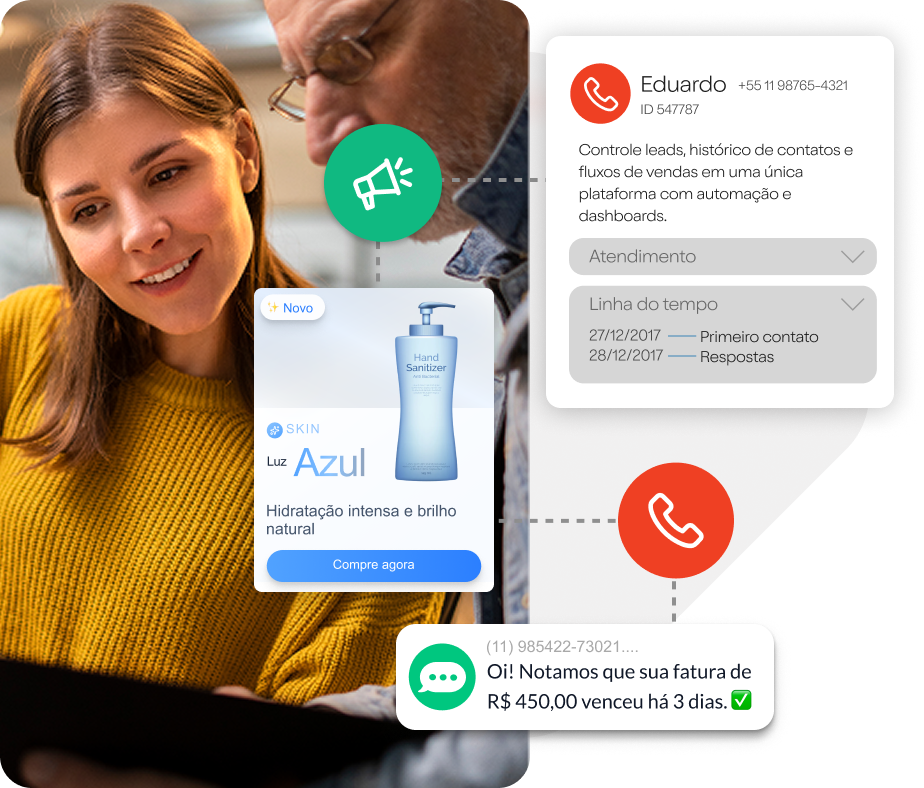
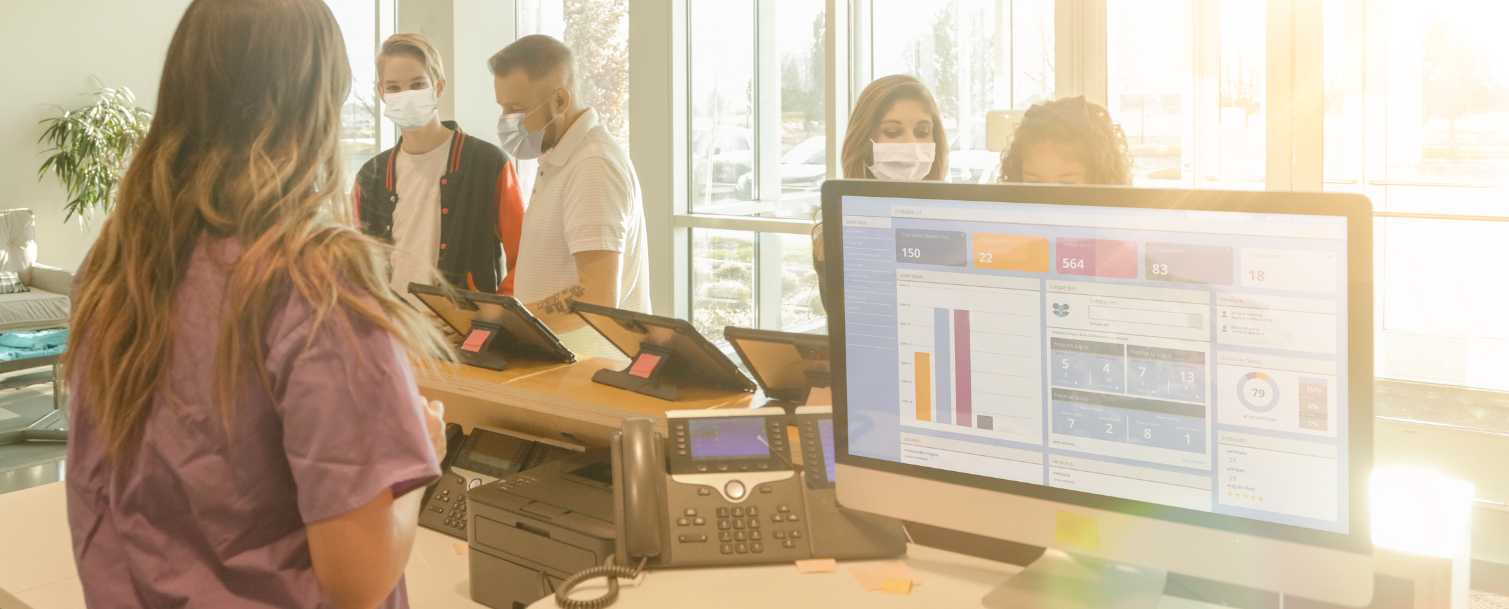


The use of artificial intelligence in patient care ceased to be a differential and began to directly impact the ability of a clinic to respond quickly, organize the schedule and reduce staff rework. Within this scenario, chatbot for clinics works as an automatic point of contact on digital channels, performing repetitive tasks and referring cases that require human intervention.
This content explains What is a chatbot, How does it work in service and What advantages does it bring to medical clinics, with examples applicable to the reception routine and relationship with patients.
What is a chatbot
Chatbots are conversation software that interact with people via text (and, in some cases, voice) on digital channels such as the website, WhatsApp, Instagram, and Facebook Messenger. In clinics, the chatbot usually operates with service flows for:
- answer frequent questions (agreements, schedules, exam preparation, address);
- guide the next step (scheduling, confirmation, rescheduling, cancellation);
- perform initial screening by type of specialty, reported symptoms, and perceived urgency (without replacing clinical evaluation);
- direct the patient to the human team when there are exceptions or sensitive cases.
For clinics with high demand for messages, the adoption of the chatbot reduces reception bottlenecks and improves response time during peak hours.
1) Fast service with multiple simultaneous contacts
A common bottleneck in digital clinic care occurs when the front desk receives multiple messages at the same time and has to prioritize manually. The chatbot can do it Answer simultaneously, keeping the patient in an organized flow from the first contact.
Practical impacts for the clinic:
- Reduction of waiting time on digital channels (especially WhatsApp and social networks).
- Less abandonment of the conversation due to a delay in responding.
- Data capture early on (name, reason, desired specialty, time preferences), accelerating human service when necessary.
Application example:
- The patient asks for “consultation with a dermatologist”. The chatbot collects city/unit, agreement (or individual), preferred dates and already offers available times (or forwards it to the agenda/reception with completed data).
2) Standardization of service and reduction of operational errors
In clinics with more than one attendant, differences in orientation and information failures generate rework and complaints (for example: incomplete preparation for an exam, incorrectly reported insurance policy, confirmation of an inconsistent schedule). The chatbot applies standardized flows, with revised and updatable messages.
Practical impacts for the clinic:
- Consistent answers to frequently asked questions.
- Fewer errors in service rules (documents, preparation, fasting, return).
- Less back and forth in conversation, because the chatbot guides the patient in stages.
Good implementation practices:
- Create a response base reviewed by the operation and, when necessary, by a technical officer (to avoid undue guidance).
- Version sensitive content (exam preparation, refunds, agreements) and keep a person responsible for updating.
3) 24-hour service with demand capture after hours
Many patients contact us outside of business hours. When the clinic only answers the next day, part of that demand has already been lost to another option. A chatbot solves the first level of need and records intent, even without an online team.
Practical impacts for the clinic:
- Schedules started in the evening and on weekends.
- Organization of the service queue by priority (e.g. return, first consultation, exam).
- Reduction of message backlogs at the beginning of the working day.
Application example:
- Between 8 pm and 7 am, the chatbot collects essential data, offers times when integrated with the schedule and, if not, creates a standardized request for return at the first hour of the day.
4) Satisfaction survey and structured feedback collection
The clinic needs practical data to improve care and reduce recurring complaints. A chatbot can perform short searches after a service, consultation, or exam, with consistent collection and easy analysis.
Practical impacts for the clinic:
- Increased response rate in surveys (because it is a channel already used by the patient).
- Diagnosis of problems by stage (scheduling, reception, waiting time, orientation).
- Record reasons for dissatisfaction with tags and categories (e.g., “delay”, “information”, “billing”).
How to structure the research:
- Use a short format: note from 0 to 10 + reason (list) + optional comment.
- Fire on the same service channel, with a window of a few hours after the service.
- Direct low grades to a human return queue, with a defined SLA.
5) Personalization of service based on history and context
When properly configured, the chatbot uses service data to personalize the conversation, keeping the patient on a shorter journey to the goal. Personalization, here, means reducing friction based on the context (for example: recurring patient, return, specialty already sought, preferred unit).
Practical impacts for the clinic:
- Fewer steps for frequent patients (quick data confirmation).
- More relevant communication in reminders (preparation, documents, early arrival).
- Segmentation for relationship campaigns (check-ups, return, vaccination, seasonal exams), provided that there is an adequate legal basis.
Attention to the LGPD:
- Request only data necessary for the purpose of the service.
- Clearly state the purpose of the collection.
- Define data retention and access policies.
- If campaigns are sent, ensure legal basis and patient preferences.
How to choose a chatbot for a clinic
When evaluating tools and suppliers, consider criteria that affect operation and safety:
- Supported channels: website, WhatsApp, Instagram, Messenger.
- Agenda/CRM integration: reduces manual labor and improves schedule conversion.
- Handoff for human: transfer with context and history of the conversation.
- Reports: volume of calls, resolution rate, reasons for contact, peak times.
- Compliance: privacy practices, access control, records, and auditing.
- Upgradeability: edit flows and messages without depending on development.
Frequently Asked Questions (FAQ)
Does chatbot replace reception?
It reduces the volume of repetitive tasks and organizes the first call. Cases with exceptions, complex billing, schedule conflicts, and sensitive situations continue to require human assistance.
Can Chatbot screen patients?
You can carry out administrative screening and guidance by specialty and type of service. Any clinical decision must remain with qualified professionals and approved protocols.
Is it worth using chatbot even for small clinics?
Yes, when there are recurrent questions and requests (times, address, agreements, scheduling, rescheduling). The gain appears in the reduction of interruptions and in the increase in response speed.
What is the best channel to start with?
For most clinics, WhatsApp concentrates demand and conversion. If the site receives significant traffic, the chatbot on the site also reduces contact abandonment.